More Staircases than Galleries? That Might be the Point at V&A East
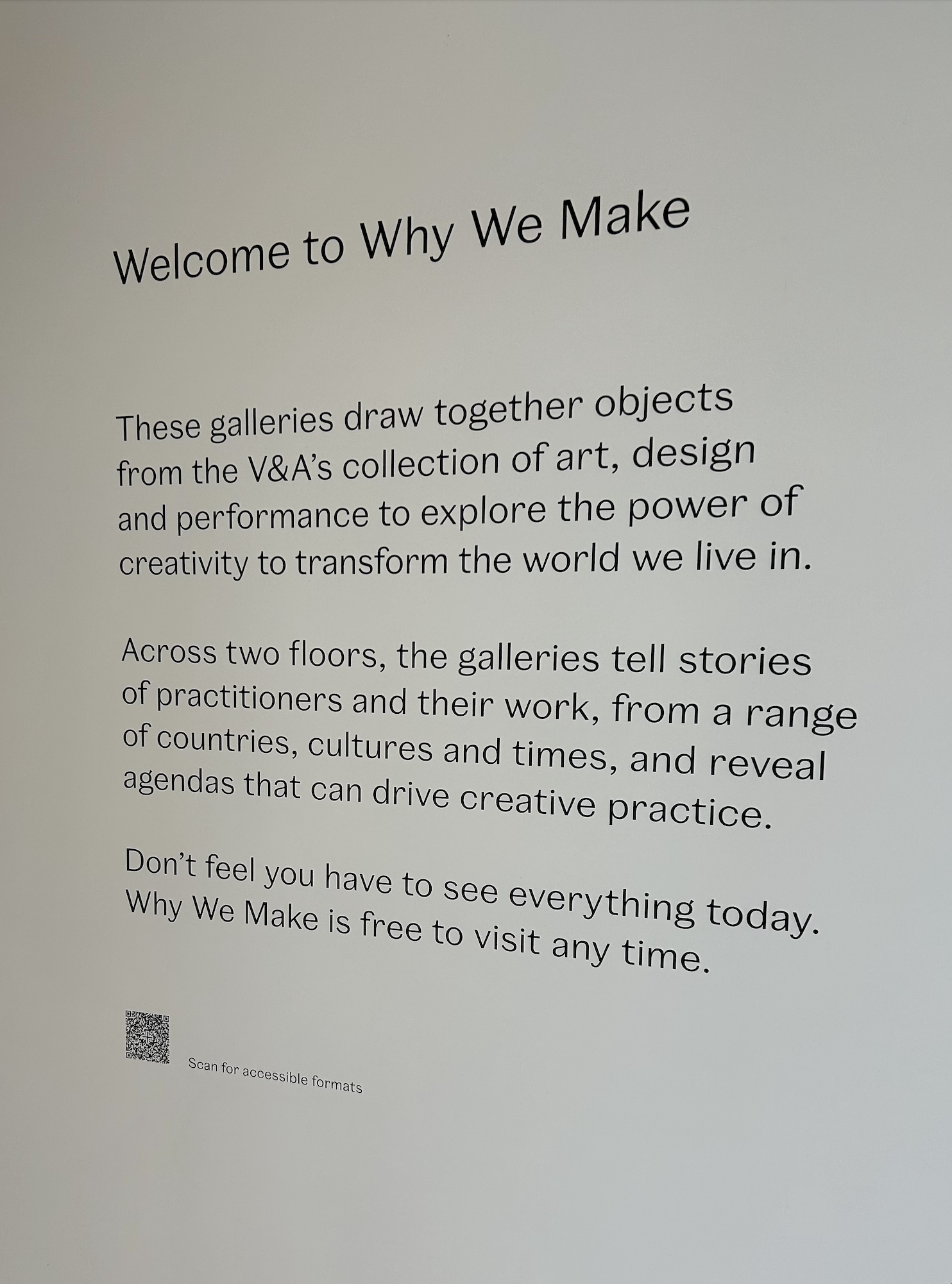
A quick write up of a quick visit to the newly opened V&A East this weekend – part of the much-discussed “East Bank” development next to London’s Olympic Park. The opening programme at V&A East brings together 𝘞𝘩𝘺 𝘞𝘦 𝘔𝘢𝘬𝘦, a permanent exhibition on making as cultural practice, and 𝘛𝘩𝘦 𝘔𝘶𝘴𝘪𝘤 𝘪𝘴 𝘉𝘭𝘢𝘤𝘬, focused on Black British music and its wider cultural resonances. I did not visit the latter and only had a brief look at the former, so will hold off on detailed comment – others are better placed to provide that anyway.
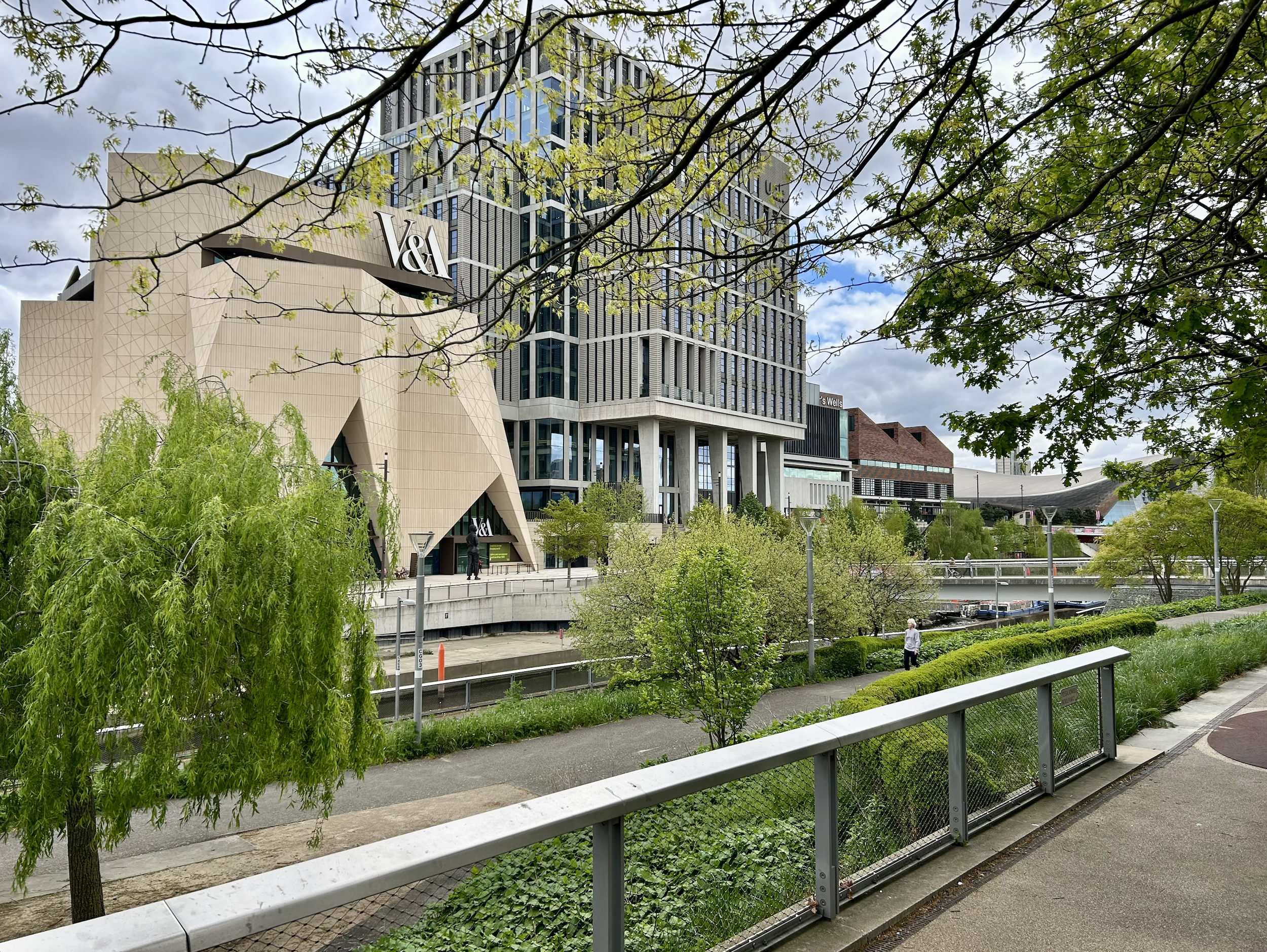
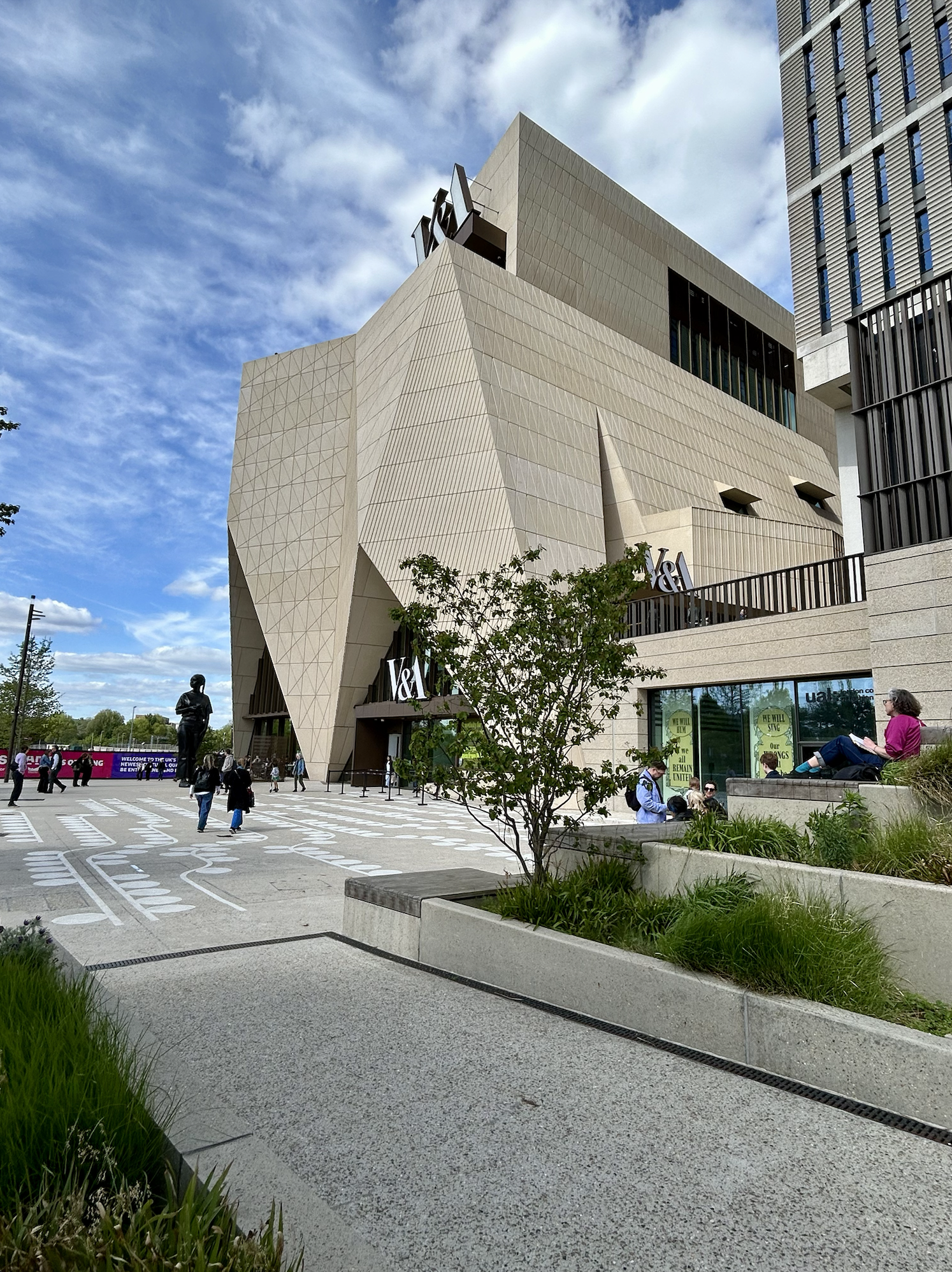
V&A East seen from the Queen Elizabeth Olympic Park
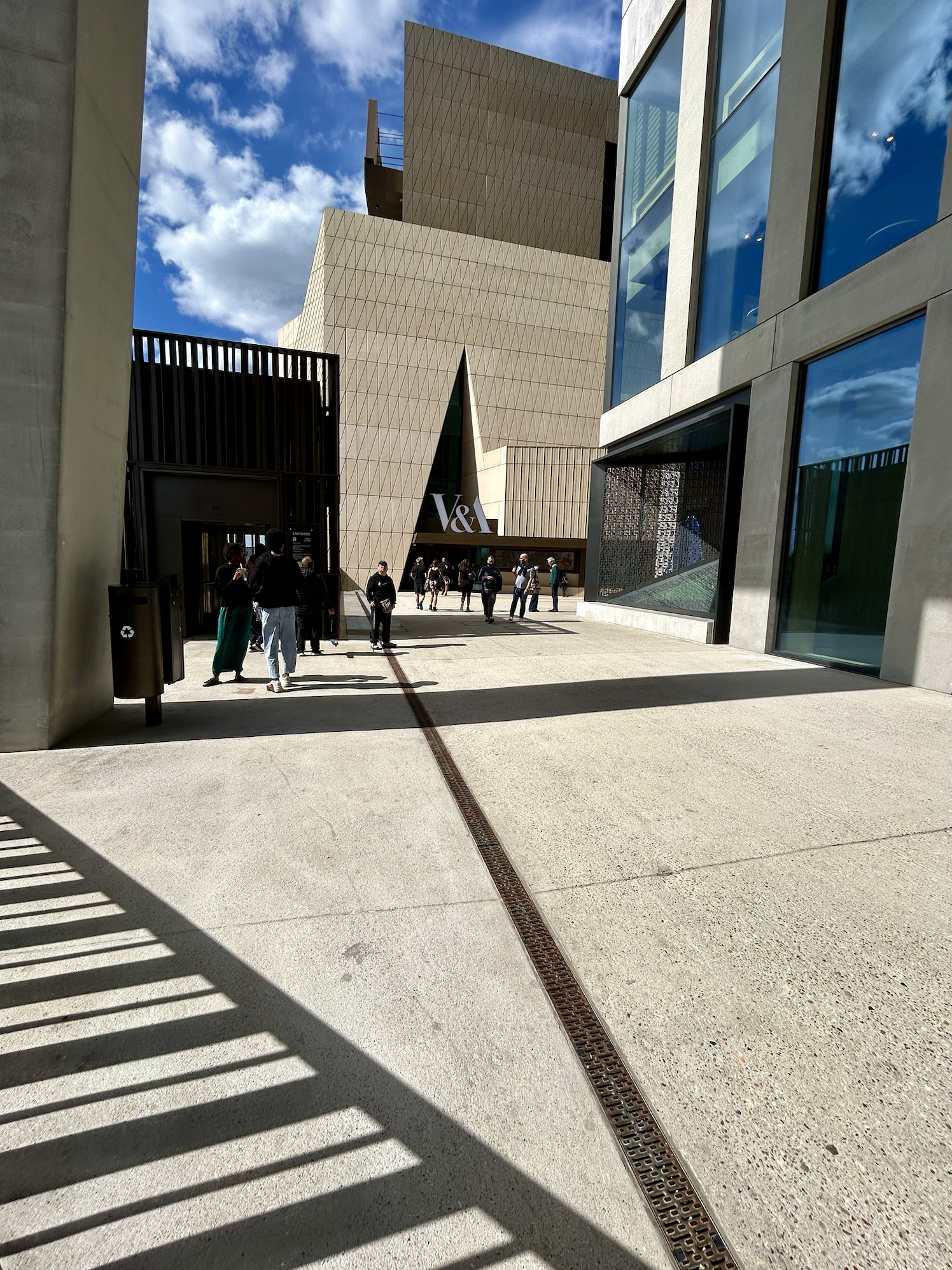
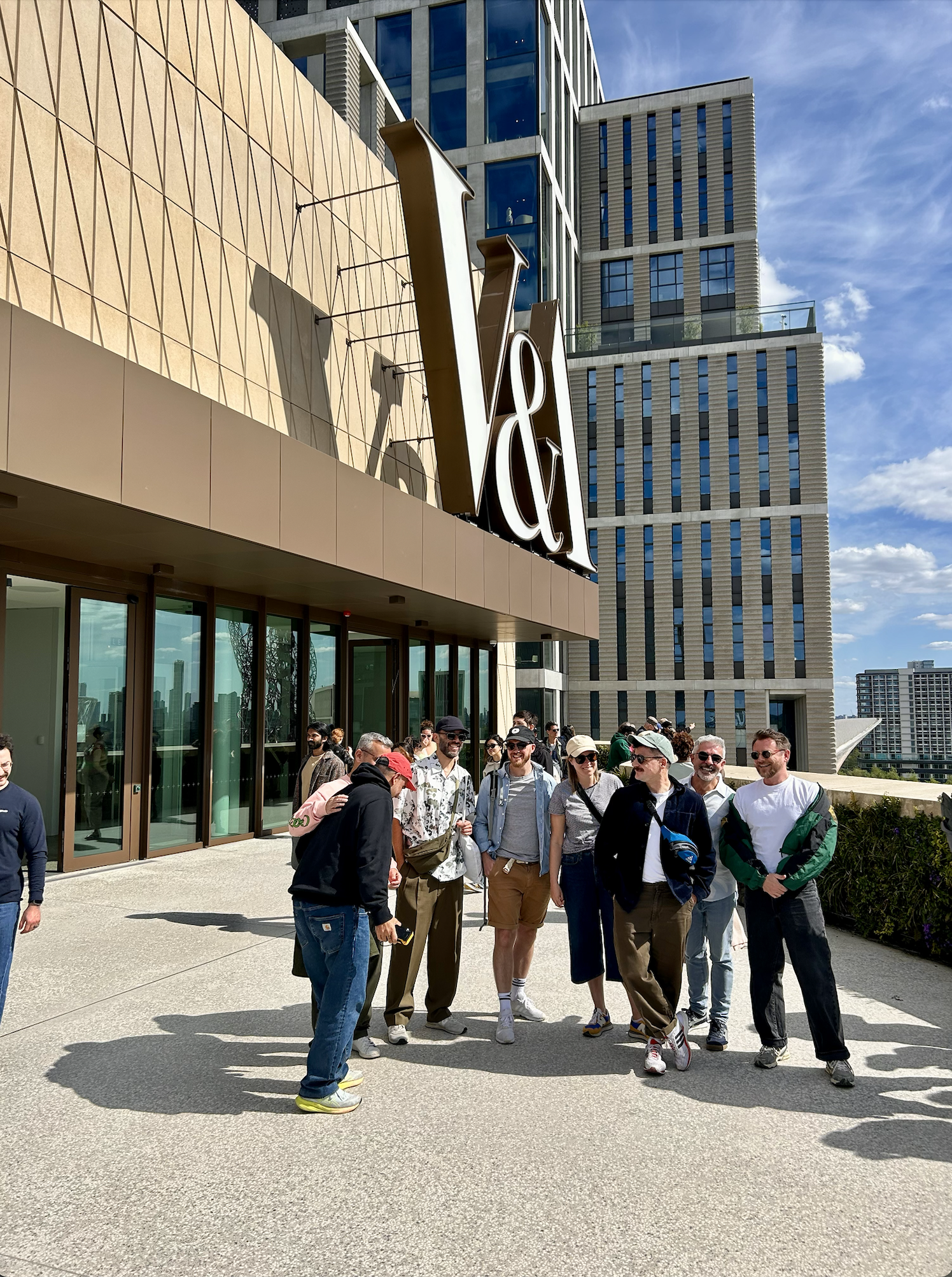
Designed by O’Donnell + Tuomey, the museum’s sculpted silhouette marks a clear presence on the emerging East Bank, sitting between the park, the canal and Stratford’s growing skyline.
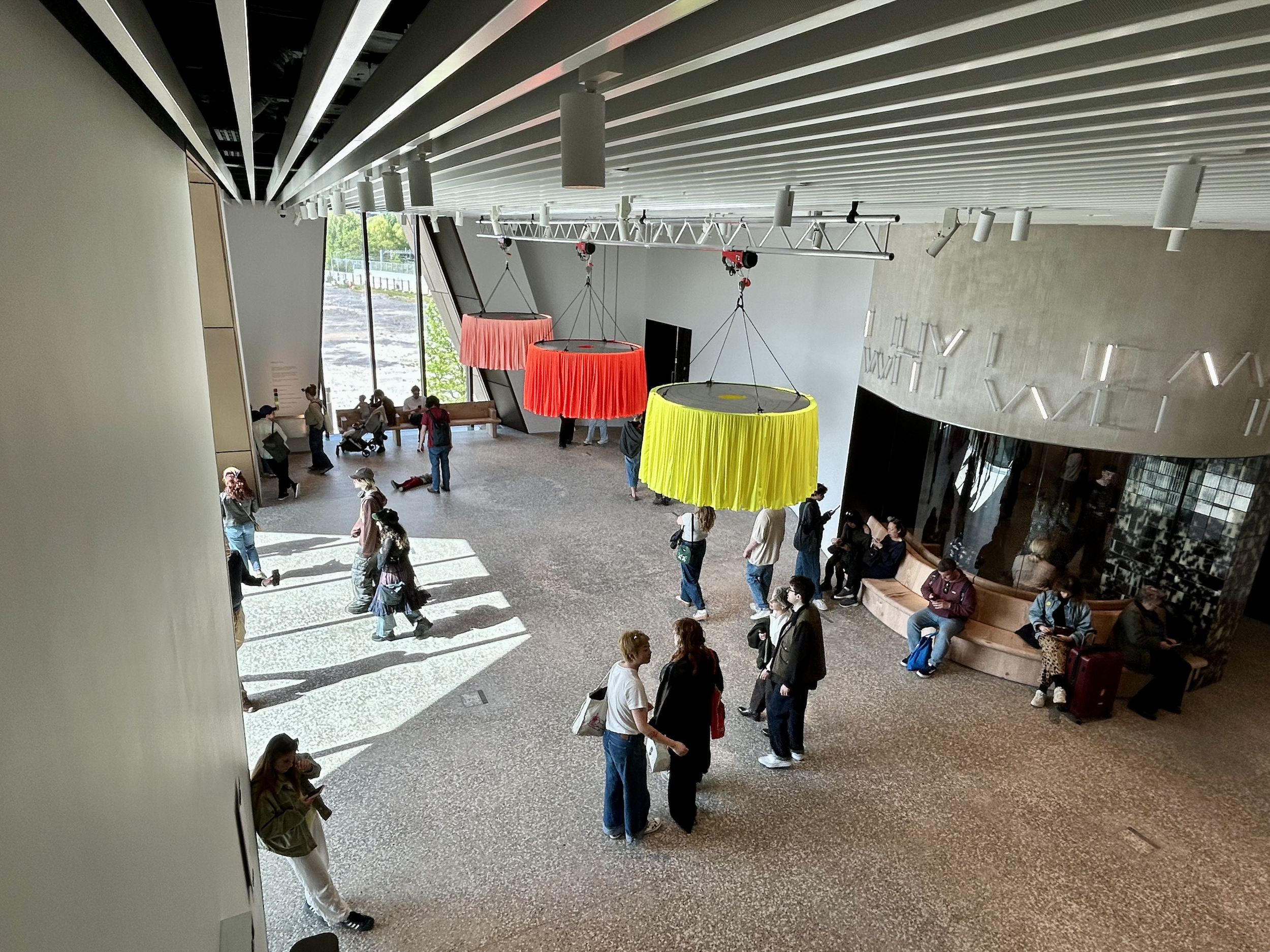
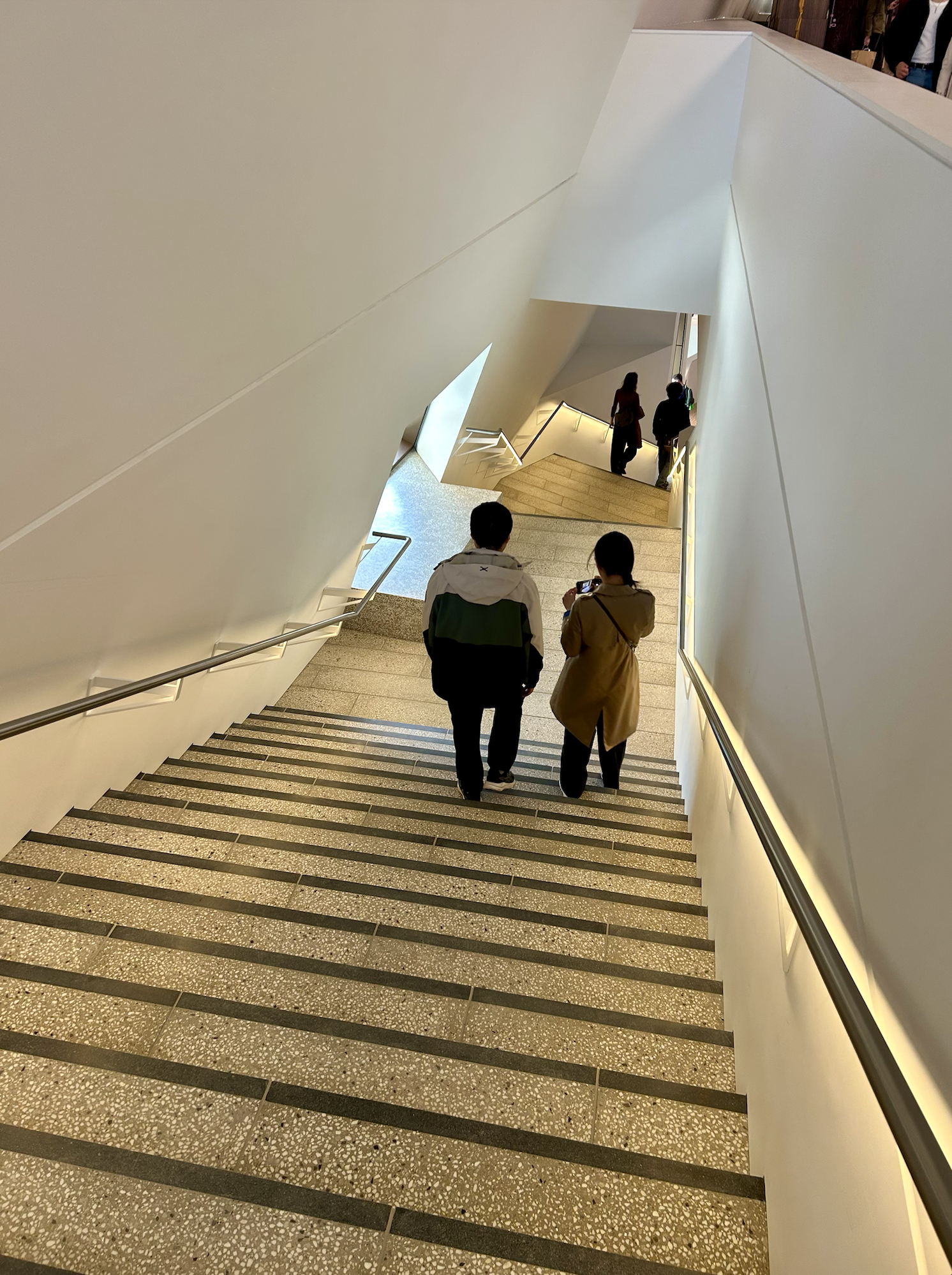
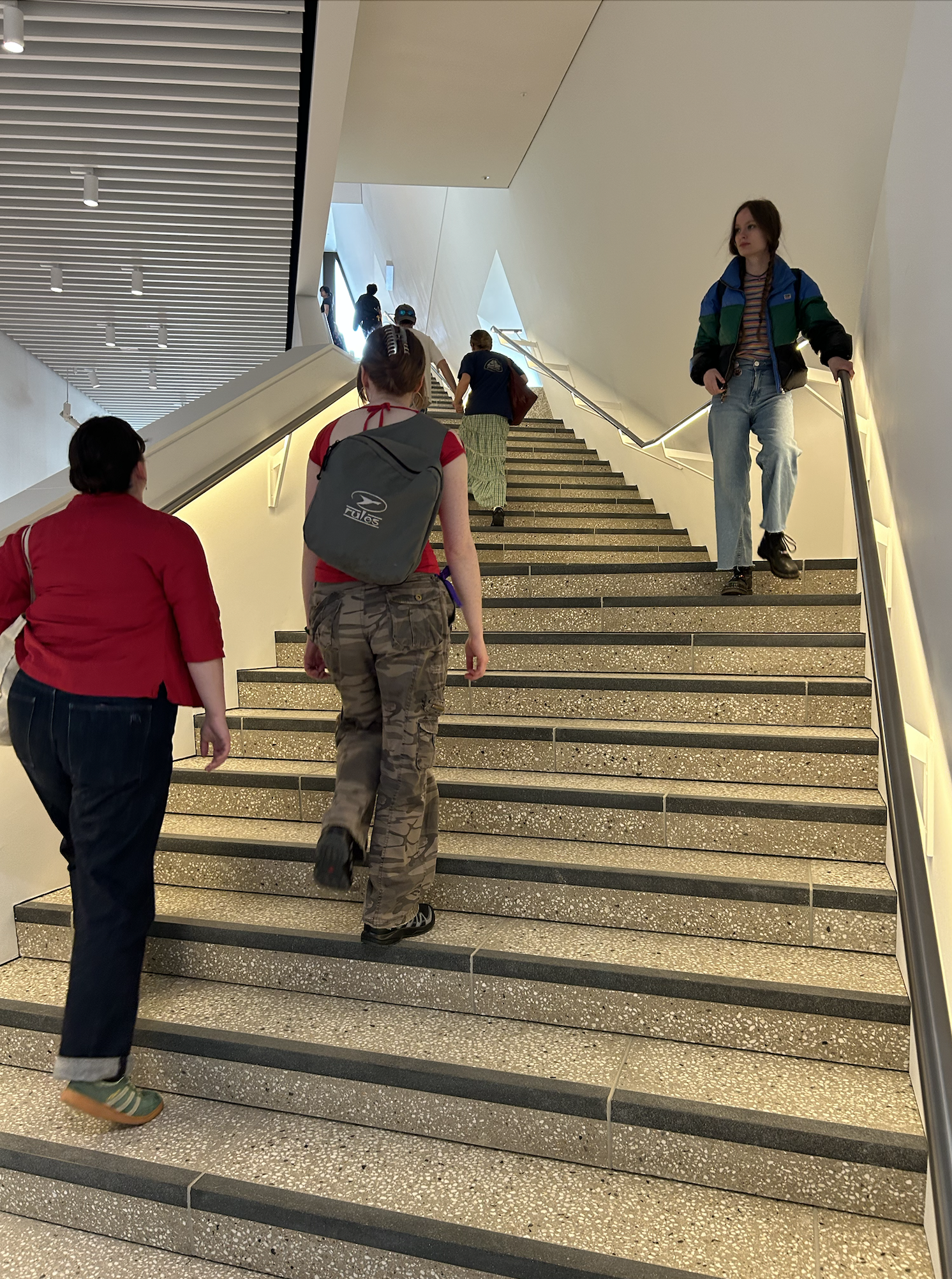
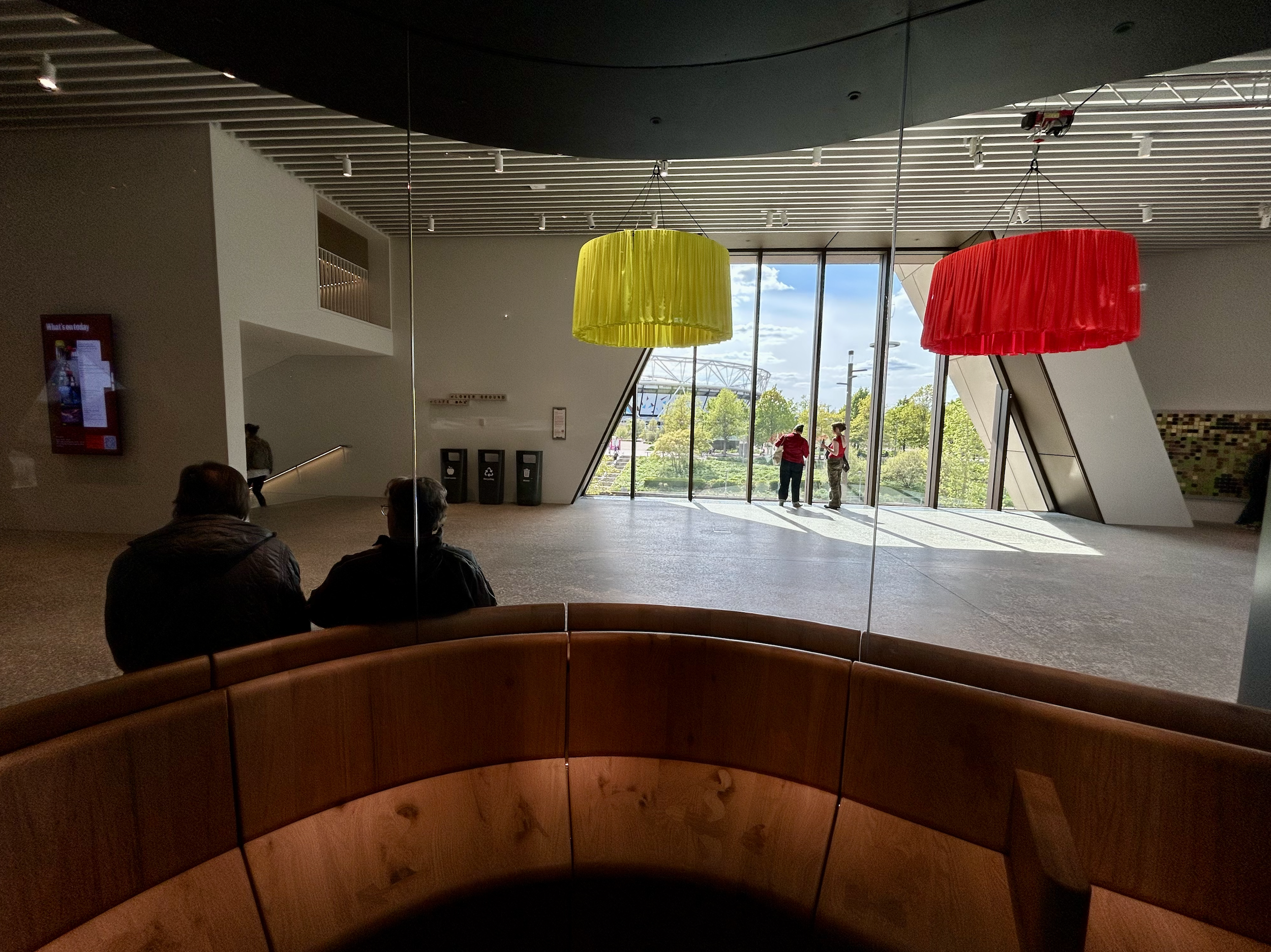
That said, 𝘞𝘩𝘺 𝘞𝘦 𝘔𝘢𝘬𝘦 is way more compact than I expected – it essentially consists of two larger rooms – and the museum generally feels way more intimate than its bold exterior suggests. Indeed, at one point, on one of the many (!) staircases, I overheard someone say – only half jokingly – that there seemed to be “more staircases than galleries.”
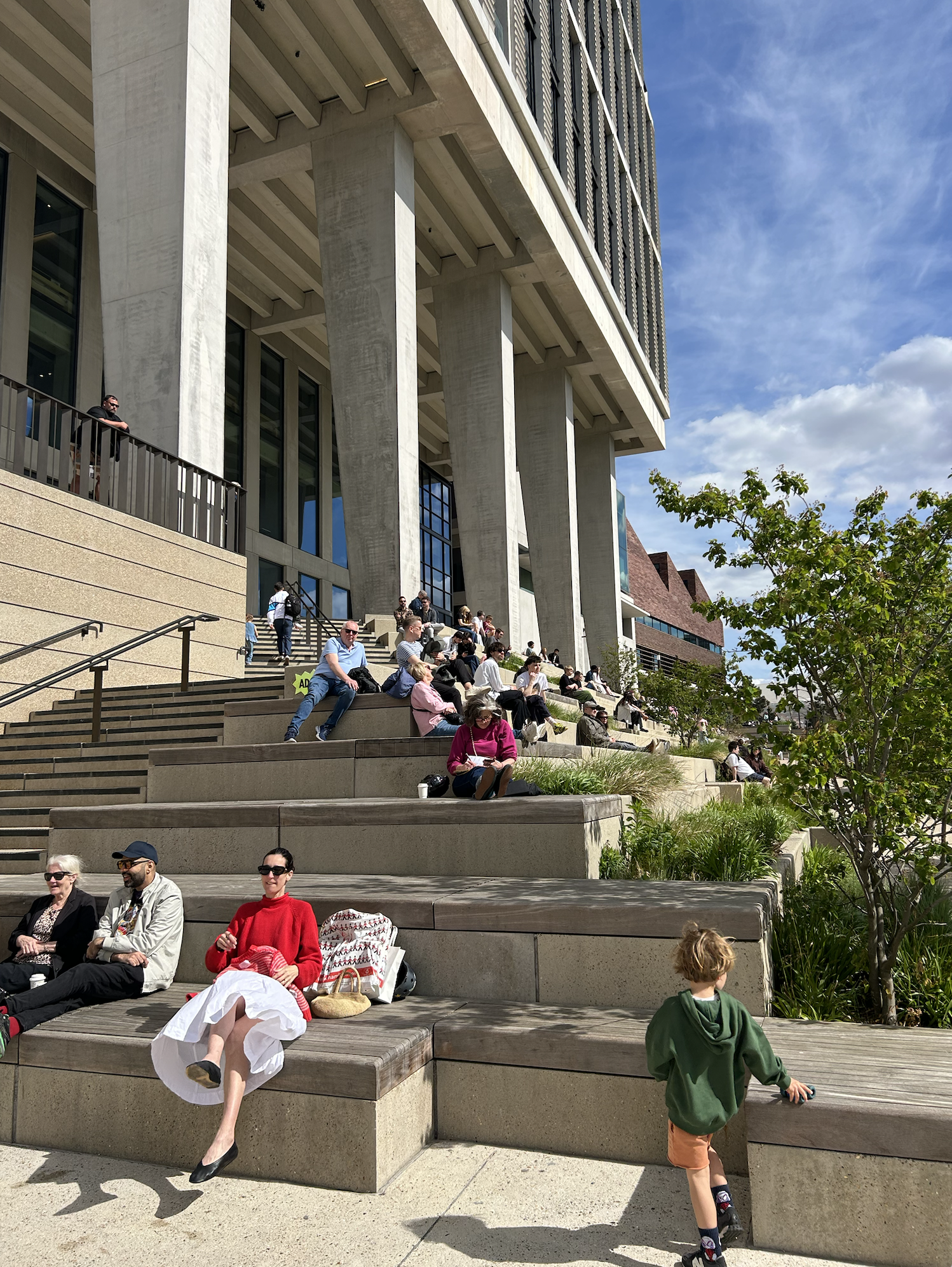
And yet, it is precisely these circulation spaces, along with the terraces, that seem to do much of the work. In that sense, there is an interesting contrast with Diller Scofidio + Renfro's V&A East Storehouse, which opened last year right across the park: super inward-looking and unassuming from the outside (I heard people more than once saying they'd struggled to find it!), but spatially striking once inside.
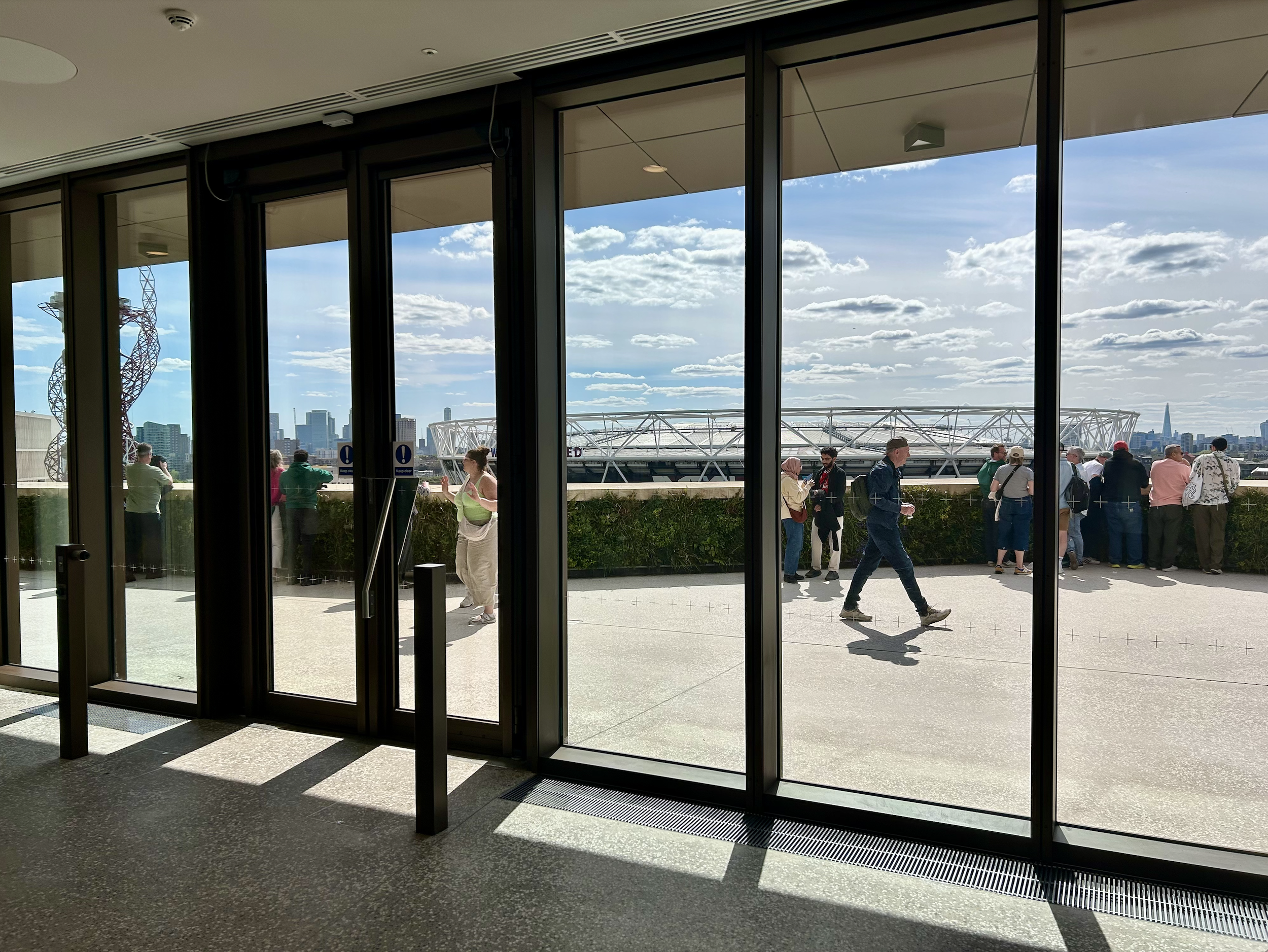
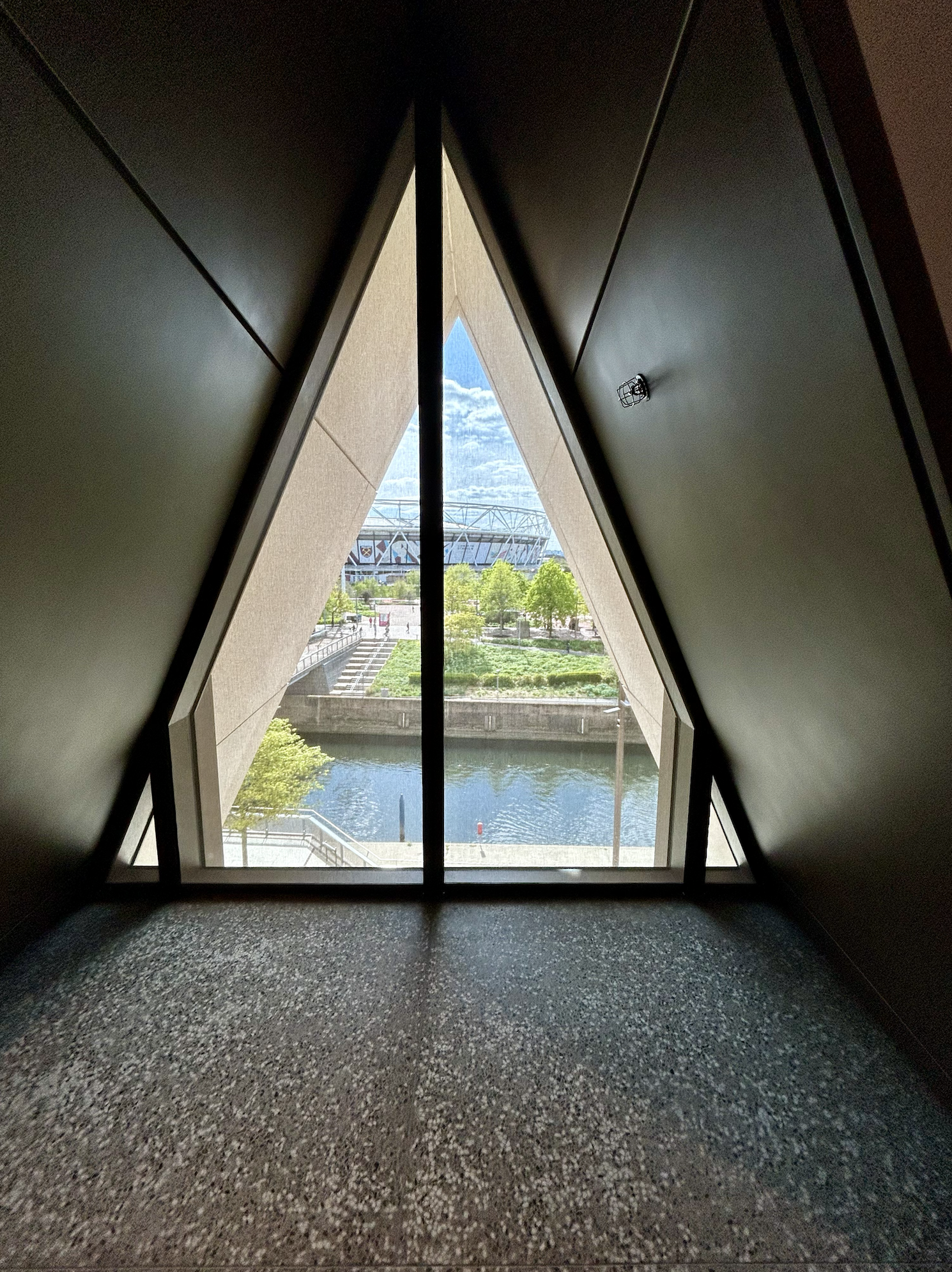
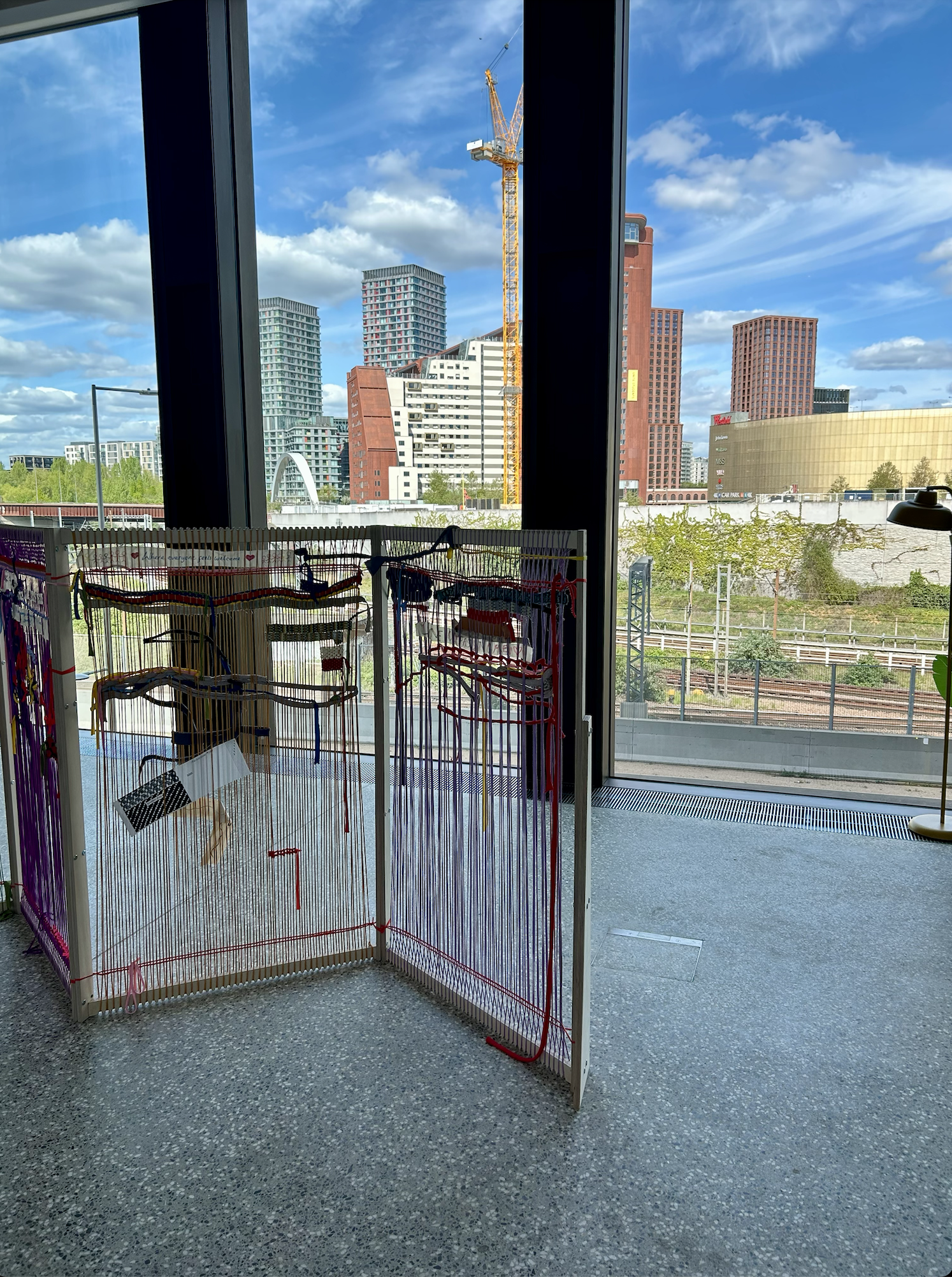
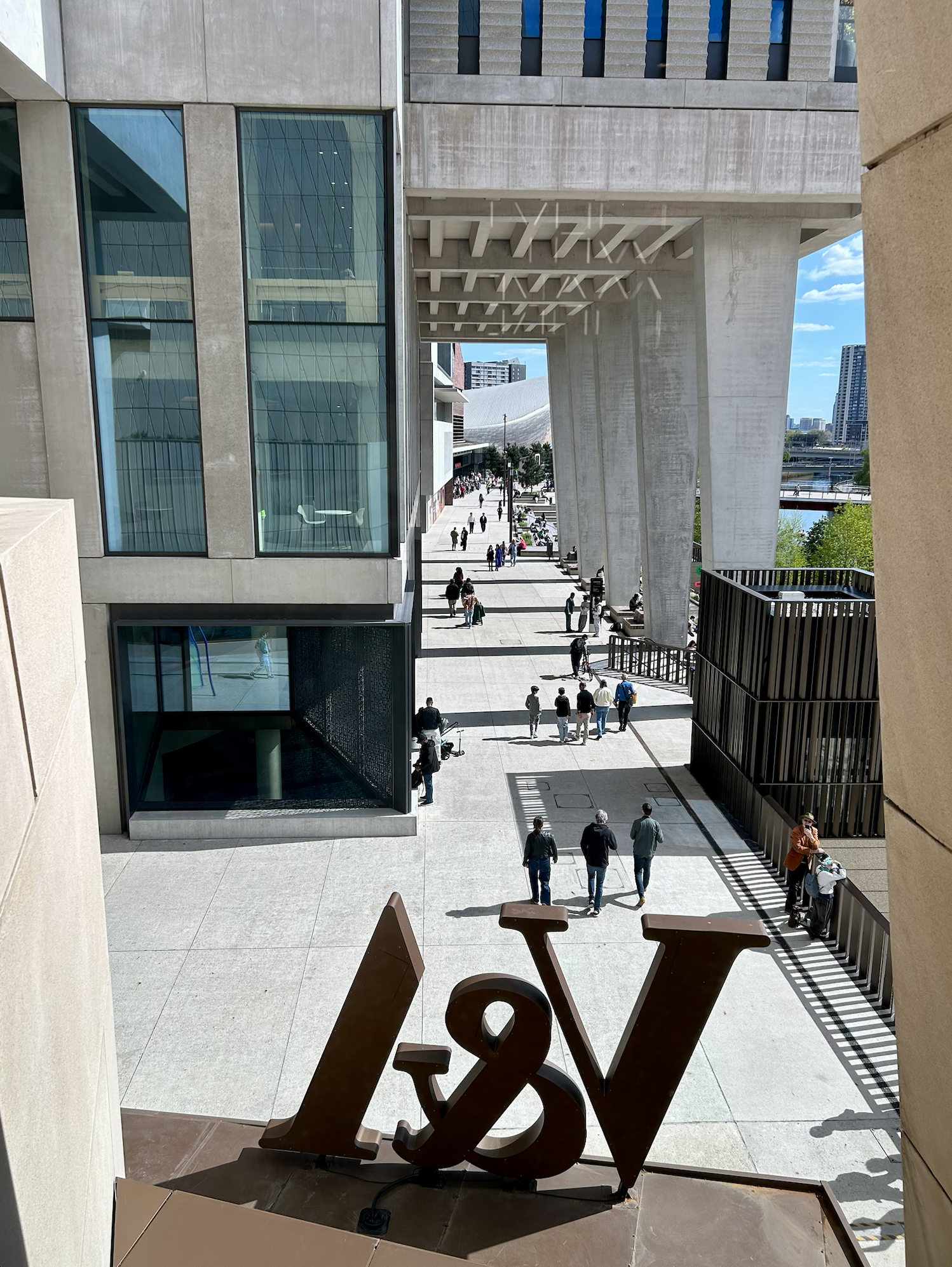
V&A East operates rather differently. Its exterior presence is hard to miss, and inside it consistently frames views outward, reconnecting visitors with the surrounding park and the wider urban landscape – with all its hits and misses.
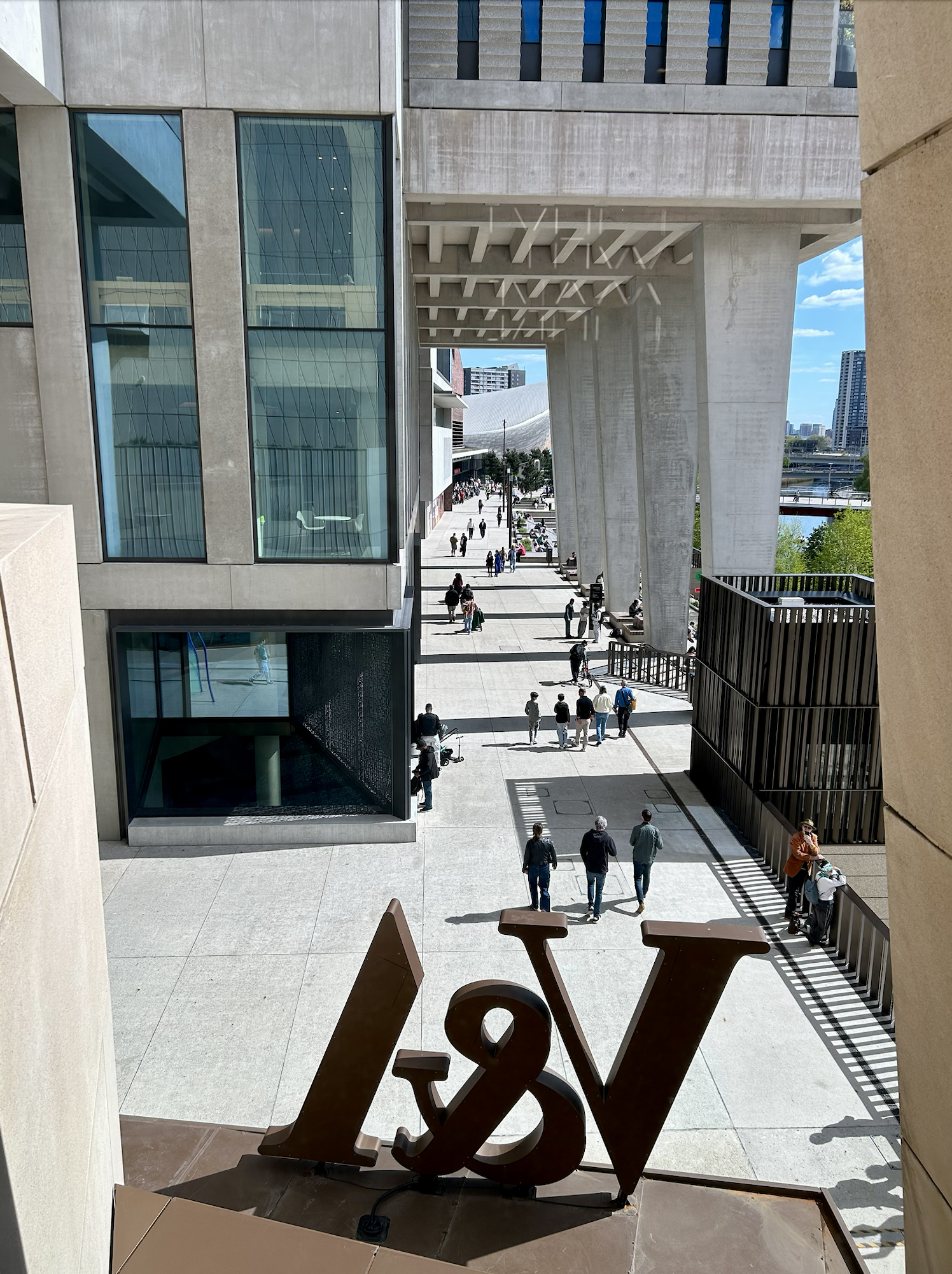
During my visit, this outward orientation appeared to be at least as much of an attraction as the exhibitions themselves. Is that a problem? I don’t think so – and in any case, it is not really an either/or question, as long as what’s on display holds up in its own right. From an urban planning perspective, what matters is how the institution operates within and contributes to its broader urban setting and on that front, the East Bank – a name chosen in reference to the South Bank, London’s established cultural cluster along the Thames – is beginning to feel convincingly “there.”
With the V&A, Sadler’s Wells East, the BBC and UAL’s College of Fashion now open, the area is brimming with life, with people making use of a public realm designed not just for passing through, but for staying and socialising – with refreshingly little of it given over to commercial uses.
Last but not least: especially as the future of the UK’s free museum model was back in the headlines the other week, I was touched by the reminder at the entrance that visitors need not “see everything today” as 𝘞𝘩𝘺 𝘞𝘦 𝘔𝘢𝘬𝘦 “is free to visit any time”. To me, free museums remain one of the UK’s most important, if often underappreciated, cultural policies – here’s hoping it stays that way!